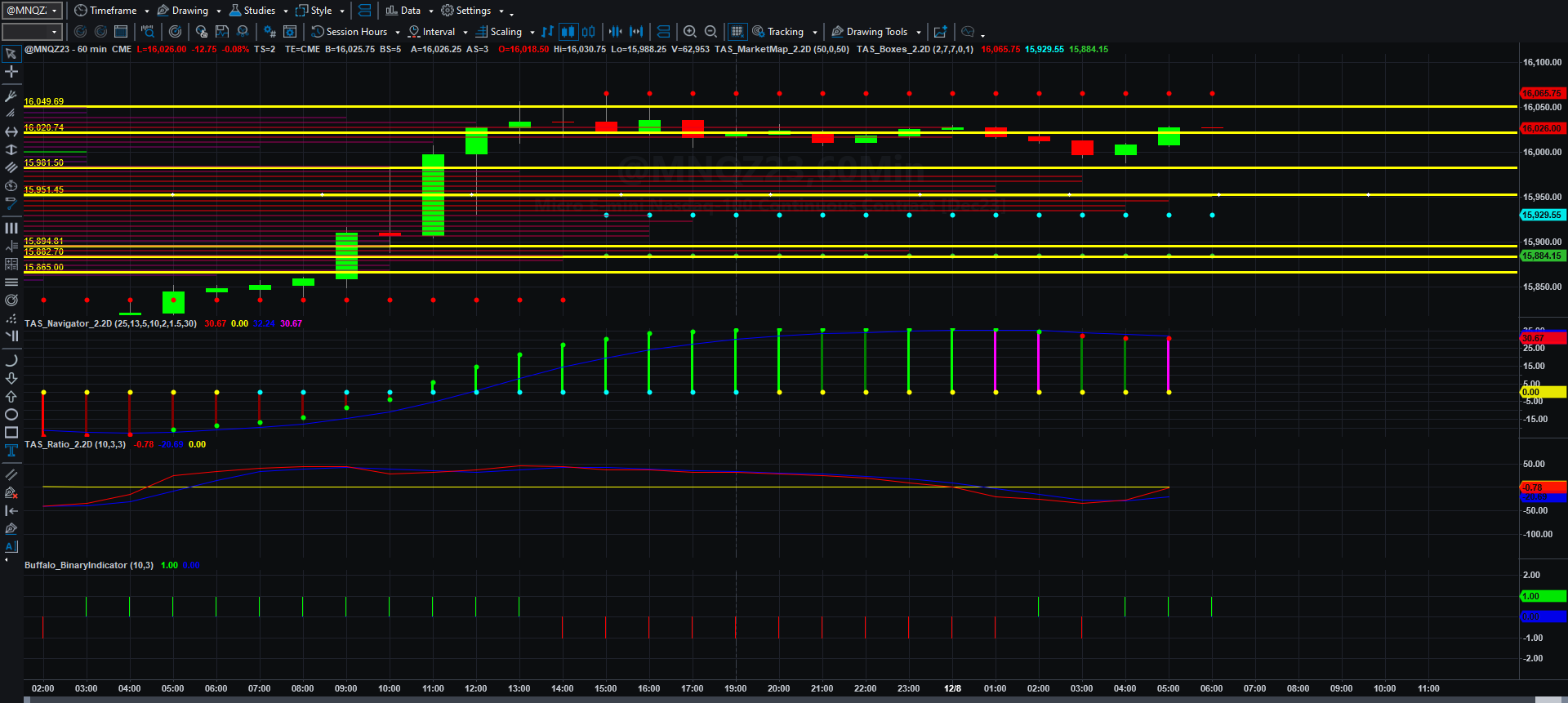
Price, Price Spread, Lagged Price/Volume Spread, and Binary Price/Volume Indicator
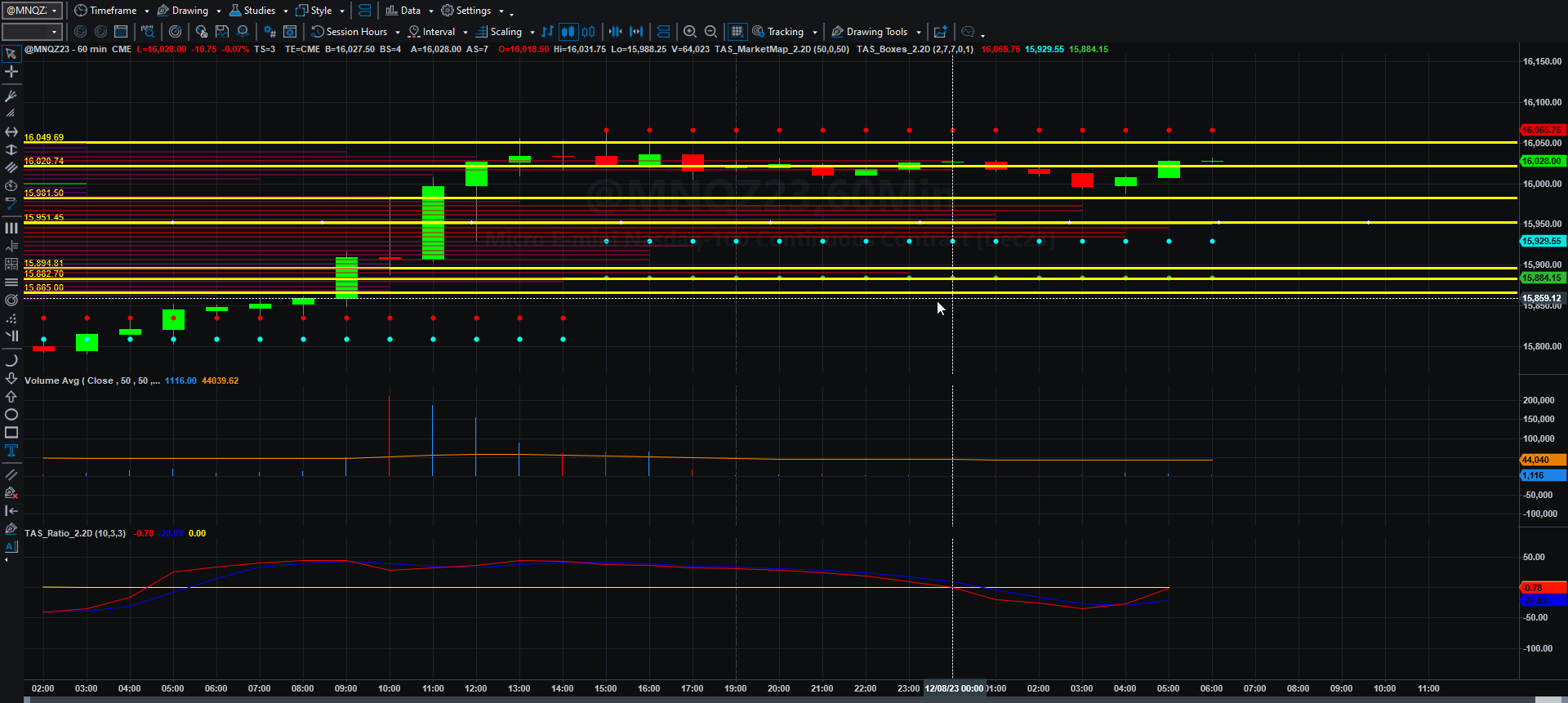
Price and Total Volume With 50-period Moving Volume Average
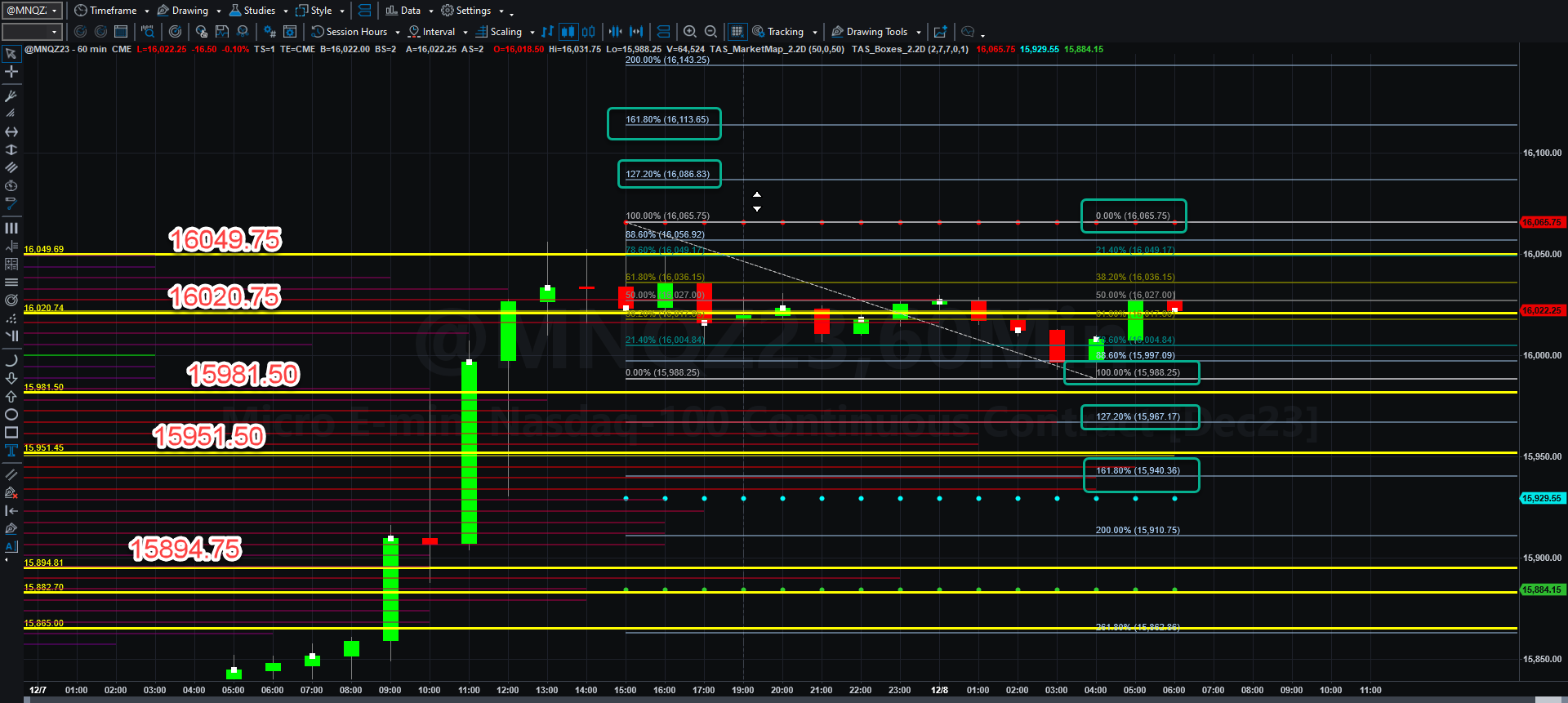
Fibonacci Price Scale With Targets
This post may be abbreviated because of time constraints, but I will pack as much as I can into it.
The world still seems in chaos, as Israel plans the flooding of tunnels in Gaza and Netanyahu threatens Hezbollah in Lebanon. The U.S. is attempting to work with the Palestinian Authority to restructure what is left of Gaza after the war ends. An attack on Lebanon might indeed cause Iran to enter the war more directly than it has until now.
AAPL has now made it policy to expand production of iPhones in India, partly because of pressure by the PRC to restrict sales within China, and because of issues with intellectual property theft there. How that will affect prices going forward will be interesting to watch, as labor union policy is much stricter in India than in China, which is still a command economy via SOES. China also produces a fair number of AAPL products that are produced by de facto slave labor.
The key question of 2024 may be whether Austrian economists are right about fiat currencies and central banking corruption of economic systems. Again, as some pundits push the “soft landing” narrative, we still see a fairly strong increase in personal interest payments which set a 65-year high in September 2023 which could spark a major deterioration in consumer spending. Bank of America is even jumping on the bandwagon that if rates soften, it is indeed a sign a slowdown is coming, which means equities will eventually mean-revert. What is a bit comical about this article is that the quoted analyst blames higher bond prices over the last three months for creating the problem. The real problem has been the “everything bubble” that has been going on since 2008 when rates moved below zero after inflation. Assets of all kinds were mispriced, and as a result, have led to poor allocation of risk capital. With the real possibility of the collapse of the reverse repo market next spring, there will be further pressure on interest rates and Federal government interest payments. That will make debt harder to sell, particularly with negative bond ratings currently. At some point very soon, decisions will have to be made to drastically cut spending or collapse the Federal government. If BRICS nations support an asset-backed currency, the U.S. dollar could be in a state of serious decline. American standards of living could also collapse under such a regime.
Let’s not worry about that for now. Let’s look at the charts.
If MNQZ23 can remain above the 16020.75 VWAP line, odds are favorable that it will challenge the swing high of 16065.75 and perhaps run higher to 16087 and 16113.75 by Monday. If not, MNQZ23 could have a short journey back to 15988.25, and if sellers take control of the market, back to 15967 and 15940.25 by Monday. This market could churn today in expectation of Fed rate data and other economic data. Only time will tell.
I did not trade yesterday, as within my time slot to trade, volume continued to be sloppy. I will see if anything meets my parameters today and act accordingly.
That is all for me today. Have a productive Friday and a restful weekend!
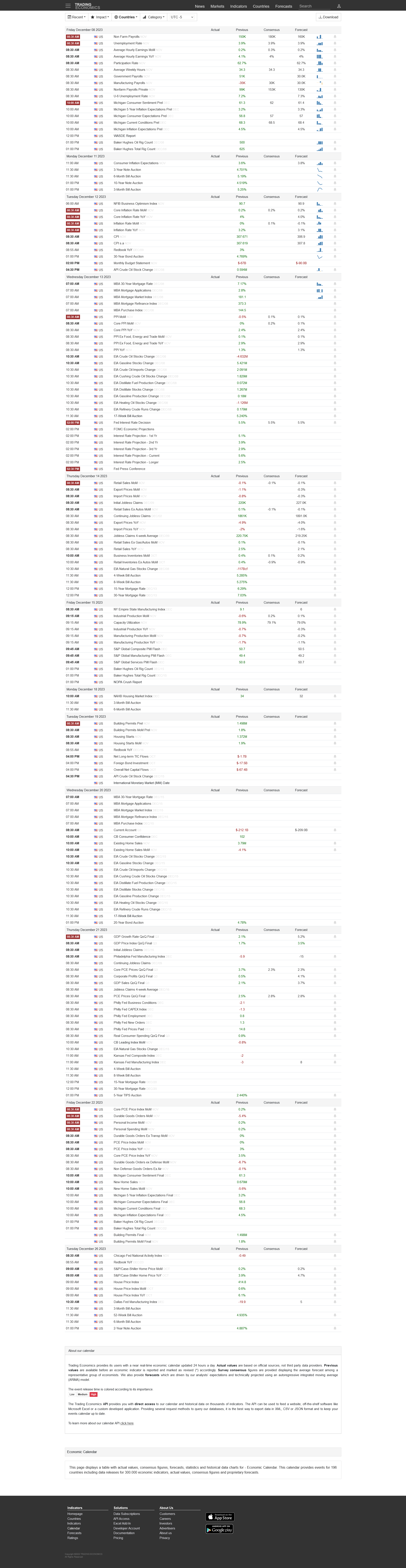
Today’s Economic Data Courtesy of Trading Economics dot com. Be sure to refresh the date at the top left.